
Why AI Art Shows 'Signatures': A Misunderstood Phenomenon
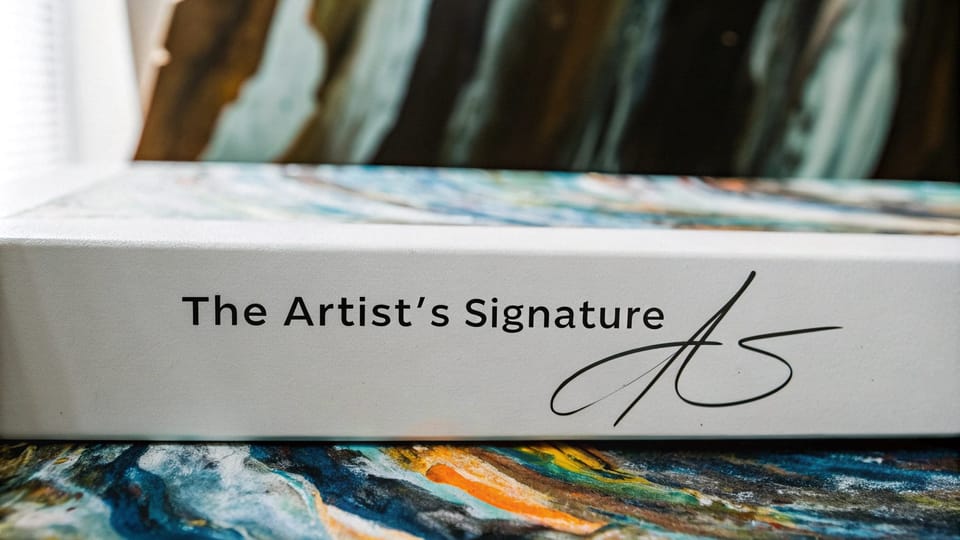
Artificial Intelligence (AI) technology has transformed how we create and view art, bringing to light new forms of expression that challenge traditional boundaries. A notable topic of discussion among art lovers and creatives is the phenomenon of AI-generated art signatures, which often sparks debates over originality and copyright in the digital age. As AI becomes increasingly embedded in creative practices, the emergence of these signatures raises fundamental questions about authorship, inspiration, and the limits of machine creativity.
This misunderstood aspect of AI art highlights the intricate ways in which machines interpret human creativity. Understanding why these signature-like elements appear in AI-generated images can shed light on a common source of confusion about the originality of such works. Moreover, it reveals the fascinating yet sometimes flawed process by which AI translates vast amounts of visual data into novel artwork.
Understanding AI-Generated Art
AI-generated art is the result of intricate computer programs developed to produce images. These programs, such as Stable Diffusion, MidJourney, and DALL·E 2, are trained using large collections of pre-existing artwork, which may include public domain images, licensed works, and other ethically sourced materials. The sourcing process is designed to respect copyright laws and ethical guidelines to ensure responsible use of data. Unlike mere duplication, these AI programs synthesize new forms based on perceived patterns from their training data. They do not simply reproduce works but rather generate new renditions that amalgamate influences in an entirely original way. This process is responsible for the characteristic elements often seen in AI art—features that are not deliberate markings but rather peculiarities produced by the machine's learning algorithms.
The novelty of AI art lies in its ability to discern and reinterpret subtle features present in the training data. When given prompts, the AI can apply its learned understanding to produce something entirely new, which can be a mixture of different styles or even something abstract and unprecedented. This creative synthesis is one of the key aspects of AI art that challenges traditional ideas of originality and creative authorship.
How AI Is Trained on Art Data
AI models like Stable Diffusion, MidJourney, and DALL·E 2 undergo extensive training with large datasets that include a vast array of art pieces from different periods and styles. These datasets are selected to be diverse, ranging from Renaissance paintings to modern abstract pieces, so the AI can understand a broad spectrum of artistic expressions. The models use prompts to learn, which can include requests to create art "in the style of [famous artist]," allowing them to mimic certain artistic elements without directly copying any specific work.
This distinction is crucial because 'in the style of' involves generating new interpretations based on learned patterns, rather than reproducing existing artworks. It helps ensure that AI art retains originality by creating something inspired, not duplicated. This approach enables AI to generate unique pieces that resemble familiar styles while incorporating its learned interpretation of the characteristics of these styles.
The training process does not involve copying individual artworks but rather learning from their broad attributes. Each image the AI processes helps it become more adept at interpreting what makes a style distinctive, which occasionally leads to the appearance of signature-like elements. By analyzing recurring brush strokes, color palettes, and composition techniques, the AI builds a nuanced model that it uses to recreate similar visual aesthetics. However, it is this same nuanced learning that can sometimes lead to unintended artifacts that resemble signatures or personal marks of artists.
Why AI Art Includes Signature-Like Elements
AI-generated art often features signature-like elements, which are typically misunderstood as deliberate attempts to copy an artist's signature. Instead, these features are artifacts of the AI's training process. When AI is trained on datasets that include works with artist signatures, it occasionally replicates these signature-like scribbles as part of its understanding of the complete composition of an artwork. These marks are not true signatures but rather visual echoes, influenced by the presence of such elements in the training material.
The presence of these elements depends heavily on how the prompts are framed. Prompts suggesting authorship, such as "by [famous artist]," can lead the AI to include signature-like elements because it treats these as integral parts of the artwork. This is because author prompts signal to the AI that it should replicate all recognizable aspects of that artist's work, including signatures or other distinctive marks, whereas style prompts focus solely on the visual style without implying authorship. In contrast, prompts that only indicate style, like "in the style of [famous artist]," often result in fewer or no such scribbles, highlighting how the nature of input data influences AI output.
This difference between prompts that imply direct authorship and those that imply stylistic influence is a key factor in understanding why signature-like elements appear. The AI's task is not to forge but to simulate an artistic identity, and sometimes the boundaries between style and authorship blur during this simulation process.
The Appearance of Abstract Scribbles
Another common feature of AI-generated art is the presence of distorted symbols or abstract scribbles, which may resemble signatures. These elements are not intentional copies but are a reflection of how the AI processes complex visual information. As the AI learns from a broad array of images, it sometimes misinterprets certain visual cues, such as the positioning of brush strokes, recurring symbols, or even patterns of shadows and light, leading to artifacts that resemble the signature styles of famous artists. Such scribbles are essentially by-products of the machine's training and interpretation processes, reflecting the unintended yet fascinating intersections of learned data.
For example, if an AI model is trained on numerous pieces that feature an artist's signature in a particular corner, it may erroneously infer that such a mark is a standard compositional element rather than a unique identifier. This can lead to the generation of abstract scribbles in similar locations, resembling signatures but serving no actual purpose. These artifacts are a testament to the complexity of AI learning mechanisms and highlight both the potential and limitations of machine-generated creativity.
Addressing Misconceptions About Copyright Infringement
There is a widespread misconception that AI-generated art infringes on copyright by directly copying existing artworks. However, AI models do not copy any individual piece but instead learn from a wide variety of images to identify and reproduce general styles and patterns. The 'signature-like' elements present in AI-generated art are not evidence of theft but are side effects of the AI's exposure to artworks that include signatures. This learning is meant to provide a holistic understanding of artistic styles, not to reproduce or plagiarize specific works.
Developers ensure that these AI systems are trained using available data responsibly, adhering to legal frameworks such as fair use provisions, copyright laws, and ethical guidelines established by organizations like Creative Commons and the World Intellectual Property Organization (WIPO). This oversight helps prevent ethical and legal issues related to unintentional copying. The goal is to navigate the complex intersection of creativity, legality, and technology, ensuring that AI-generated art remains an innovative and legally compliant form of expression.
The Role of Human Oversight
Human oversight is crucial in the ethical development and use of AI-generated art. Artists and developers monitor how AI models learn from data to ensure that the resulting artworks do not replicate specific elements, such as signatures, in a way that could lead to legal disputes. This involves actively curating the datasets used for training, setting guidelines for how AI should interpret prompts, and ensuring that the outputs are original and free from potentially infringing content.
By guiding the AI's learning process, creators ensure that it aids in producing fresh, innovative pieces while respecting copyright laws. Human intervention plays a pivotal role in refining the capabilities of AI, making sure that it complements rather than undermines human creativity. Furthermore, human oversight helps manage the ethical implications of AI usage, fostering a responsible approach to how this technology is integrated into the creative process.
The collaboration between human creativity and AI capabilities has led to unprecedented artistic outcomes, expanding the horizons of what is possible in art. However, this partnership requires careful management to prevent misunderstandings and misuse. Artists working alongside AI systems need to remain vigilant about how these tools are used and how their outputs are presented, ensuring transparency and integrity in their creative practices.
Unraveling the Mysteries of AI Art Signatures
The presence of signature-like marks in AI-generated art is often misunderstood. These elements arise because AI learns from vast collections of artwork, including details like signatures. When instructed to create in the style of a specific artist, AI might produce artifacts that resemble a signature due to the way it processes and interprets visual information. These marks are not intentional forgeries but are rather by-products of the AI's training and pattern recognition mechanisms.
It is important to understand that AI does not copy works but instead generates new pieces based on complex patterns learned from its training data. Recognizing that these 'signatures' are by-products of the learning process helps dispel misconceptions about AI's role in art and fosters a greater appreciation for the unique contributions of AI in the creative world. As AI continues to evolve, understanding its limitations and the nuances of its creative process will be key to embracing it as a valuable tool in the artistic landscape. By integrating AI thoughtfully, we can expand the boundaries of creativity while respecting the traditions and ethics of art.
Références
- "The Truth Behind Signatures on AI-Generated Art" by Jeremy Zaborowski. Disponible sur Medium.

Member discussion