Art and Mental Health: Stress Relief, Emotional Expression, and Self-Esteem
Do you ever feel overwhelmed by the hustle and bustle of daily life? Maybe your shoulders are tense, your mind is crowded, and you're looking for a peaceful escape. You're not alone—many people struggle with stress every day. Fortunately, art offers a powerful remedy that soothes both the mind and soul.
Research shows that just a duration of 20 to 45 minutes of participating in art can dramatically reduce stress hormones. Art has shown promising ways to improve mood and self-esteem through creativity.
In this article, we’ll explore how engaging with different art forms provides effective stress relief that also fosters emotional expression and deepens our connection with ourselves and others. From painting to AI-generated visuals, the benefits are tangible.
Ready to unleash your creative potential?
Feeling Swamped by Stress?
Feeling overwhelmed by stress? Trapped in life's constant ups and downs? Art can be a powerful lifeline. Research suggests that engaging in creative pursuits can significantly lower stress levels. Engaging with art—whether traditional or digital—offers a therapeutic escape from turmoil. In this article, we will explore how different forms of art can serve as an anchor, offering stress relief while boosting emotional expression and self-esteem.
Understanding Art Therapy
Art therapy opens up a window into our souls, illustrating our deepest thoughts and feelings. It goes beyond mere aesthetics; it's a conduit for recovery, allowing colors and forms to speak when words are inadequate.
What is Art Therapy?
Art therapy combines the creation of art with therapeutic practices, establishing itself as an effective tool for enhancing mental health (source: Psychology.org). It leverages emotional expression in ways that spoken language sometimes cannot.
The concept was born in the mid-20th century from the realization that merging art with psychotherapy could forge new pathways to wellness. Today’s therapists, trained in both disciplines, utilize this technique to elevate self-esteem, improve cognitive functions, and build social skills (source: AATA).
The American Art Therapy Association (AATA) establishes strict standards for education and practice in this field. A master’s degree is typically necessary to engage professionally in this work. This rigorous training enables therapists to effectively employ art for mental health awareness by harnessing creativity as a pathway to enhanced well-being—whether through emotional expression or fostering resilience.
Art Therapy vs. Psychotherapy
Experts often observe clear distinctions between art therapy and psychotherapy. In art therapy, a licensed professional aids clients in expressing themselves creatively, utilizing various visual arts forms to explore emotions within a secure environment. This approach prioritizes emotional expression over traditional verbal communication (source: Art from the Streets).
In contrast, psychotherapy often uses dialogue and psychological tactics to tackle mental health concerns directly. Therapists steer these discussions, focusing on thoughts and behaviors rather than solely on artistic processes.
Although both seek improved mental health outcomes, they chart different courses towards healing. With these principles outlined, we can further explore how art enhances our emotional landscapes even more profoundly.
The Power of Art in Mental Health
Art possesses a unique capacity to bolster mental health. It enables us to articulate emotions that are otherwise difficult to express, paving the way for deeper insight and healing.
Stress Reduction
Art can be a sanctuary. Delving into creative pursuits aids in stress relief. Research indicates that just a duration of creative expression can substantially decrease cortisol levels, which are indicators of stress (source: ScienceDaily). Engaging with AI-generated art can lighten one's mental load, acting as a calming influence on thoughts.
Creating also forges connections with others. Engaging in group art activities strengthens social bonds and diminishes feelings of isolation. Interestingly, 82% of those involved noted enhanced social connectivity through artistic involvement (source: Lifeology).
Enhanced Self-Expression and Communication
Art serves as a potent medium for self-expression. Often, words fall short of encapsulating emotions. Through hues and forms, art unveils an emotional depth that remains unspoken in daily interactions. This capacity to portray intricate feelings deepens connections with others beyond the spoken word.
Diverse art genres enable emotional expression, promoting communication where words may fail. By crafting visual narratives, art therapy offers crucial tools for this exchange, particularly valuable for those grappling with mental health hurdles (source: GTBHC).
Improved Emotional Regulation
Creating art allows us to navigate our emotions. Absorbing what we feel during the process provides a powerful mode for introspection. Whether through AI-generated art or other creative pursuits, these acts offer a refuge for delving into profound feelings. In therapeutic settings, these practices initiate discussions about personal internal experiences (source: Scholistico).
The REPAT program exemplifies this potential well by offering an 8-week regimen designed specifically for breast cancer survivors focusing on emotional processing via art therapy. The program provides weekly art supplies and encourages participants to reflect and create in their personal spaces, helping them process emotions in a supportive, creative environment. This tactile approach enriches emotional regulation, significantly enhancing overall mental health benefits beyond conventional dialogue therapies.
Popular Art Forms for Mental Health Improvement
Art offers a rich tapestry for healing. Each form brings its own flavor, providing space for emotions to flow freely and authentically.
AI-Generated Art
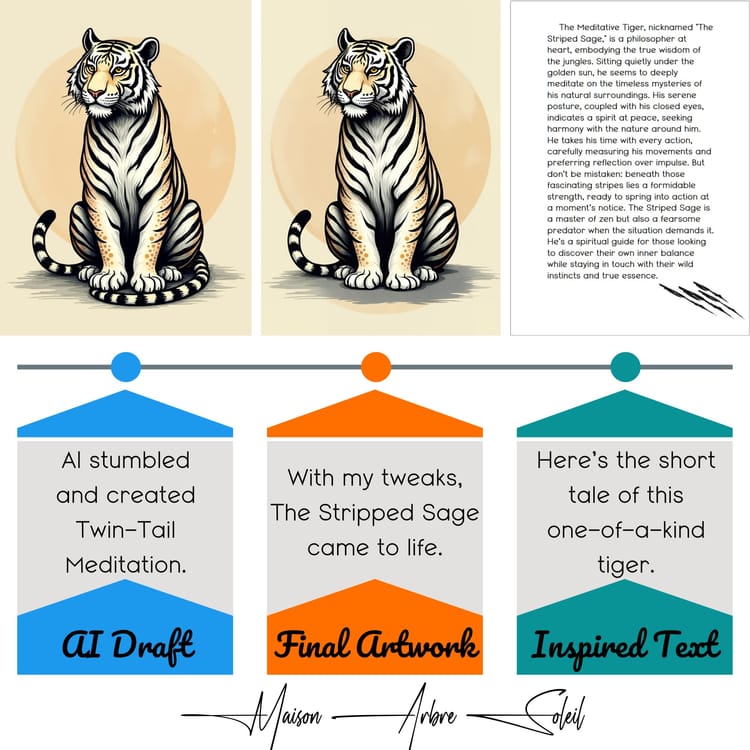
AI-generated art combines technology with creative expression, sparking inspiration and emotional exploration. Using tools like Night Café, anyone can create pieces that explore deep emotional expression. Reflecting the state of mind at the time, AI-generated art helps uncover new ideas. The result? Boosted self-esteem and deeper connections, highlighting the potential of AI-generated art to bridge emotional expression and technological creativity.
Painting and Drawing
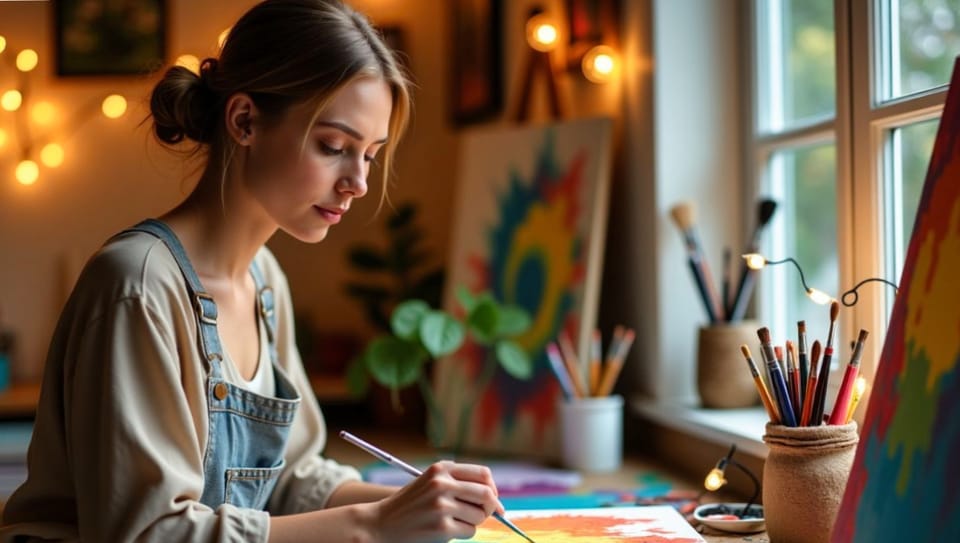
Painting and drawing are powerful means for self-expression. Spending a duration of time, ideally between 20 and 45 minutes, can significantly reduce stress hormones (source: ScienceDaily). Remarkably, this brief engagement effectively eases stress and anxiety. This activity supports mental health by boosting self-confidence and fostering inner dialogue.
Sculpting
Sculpting offers a hands-on approach to therapy through tactile creativity. Molding materials allows tension to release as each motion reveals hidden emotions. Each creation blooms with expressive force, transformative in every push or stroke. Beyond expressing feelings, the tangible process fosters pride and enhances critical problem-solving skills essential in artistry.
Music and Dance
Rhythms in dance and music awaken an innate vibrancy within us all. Documented interventions show they significantly improve psychological well-being (source: NCBI) Experiencing music leads to joy that sweeps away angst much as sunlight clears clouds. Moreover, dancing in groups amplifies these effects—enhancing mood while building social connections. Dance involves structured movements that improve cognitive sharpness with each step; a clear example of how artistic pursuits reshape emotional landscapes and practical skills.
Writing
Writing is a crucial tool for understanding complex feelings, often more impactful than spoken words. To write is to transfer your experiences onto paper’s blank canvas—a liberating exploration that brings subconscious insights to life, similar to painting on canvas. Writing down thoughts not only fosters personal growth but also enhances mindfulness in daily activities—creating profound connections within oneself.
Benefits of Art for Mental Health
Art transforms emotions into tangible expressions. It elevates self-esteem and fosters mindfulness, helping us feel more anchored in our daily routines.
Boosts Self-Esteem
Art therapy paves a path to self-esteem. Through visual expression, thoughts and emotions that words often can't encapsulate are shared. This process is freeing. Every creation or note propels creativity without constraints. As we create, we learn more about ourselves. Delving into art bolsters confidence, spurs personal exploration, and encourages discovery. Research indicates that these activities improve mental functions and enhance self-worth (source: NCBI). The magic of community-based art-making also promotes social connections, forging bonds with others who share enthusiasm for creativity.
Encourages Mindfulness
Making art keeps us anchored in the moment. Working with colors or shapes diverts the mind from daily concerns and stressors. Such actions endorse mindfulness and present-moment awareness (source: Atelier Kristel). Often, the artistic process sets aside distractions, which helps avoid ruminating on troubling thoughts. Evidence suggests that artistic endeavors provide emotional relief and heighten mindfulness. Engaging in the process of creating AI-generated art invites a meditative state. Each moment spent crafting allows us to quiet hurried thoughts, express feelings without words, and center ourselves in the present.
This bond between creative pursuits and mental health deepens our gratitude for art's ability to transform fleeting emotions into enduring visual narratives.
How to Get Started with Art Therapy
To initiate art therapy, seek out an art style that resonates deeply with you and tap into community programs or local resources focused on this healing method. Experience the thrill of artistic release as you channel your emotions through canvas or music. Each stroke or musical note can lighten life's loads and provide insight. Art therapy welcomes you to an environment where emotions thrive—why not come along for the ride?
Identifying the Right Art Form
Uncovering the ideal art form might seem like a quest for buried treasure. Everyone's experience varies, and exploring different art forms can help discover what resonates most. Dabbling in different forms—painting, sculpting, or writing—could unlock unseen doors. Consulting accredited Art Therapy Practitioners is also wise on this journey. They can pinpoint perfect matches that resonate with personal experiences and tastes, making your artistic venture even richer (source: Scholistico).
Finding Art Therapy Resources
Once you've chosen your art form, scouting for resources could deepen your exploration of self. Plenty of professional art therapists ply their trade online. Their services are listed across various

Member discussion